1. Why 316L Stainless Steel Is a Preferred Industrial Material ?
In industries where corrosion, hygiene, and durability matter, 316L stainless steel has become one of the most trusted materials worldwide. It is widely used in marine environments, chemical processing, food production, medical devices, and high-end industrial fabrication.
Compared with standard stainless grades, 316L offers a reliable balance of corrosion resistance, weldability, and long-term value. While the cost of 316L stainless steel is higher than basic grades, its performance in demanding conditions often makes it the more economical choice over the full service life of a product.
This article explains what 316L stainless steel is, how it performs in real-world environments, and how buyers should evaluate both technical performance and cost.
Table of Contents
2. What Is 316L Stainless Steel?
316L stainless steel is a low-carbon modification of 316 stainless steel, belonging to the austenitic stainless steel family. The reduced carbon content (maximum 0.03%) minimizes the risk of carbide precipitation during welding or high-temperature exposure.
This design makes 316L especially suitable for:
•Welded pipes, tanks, and pressure vessels
•Marine and coastal installations
•Pharmaceutical and food-grade systems
•Medical and hygiene-critical components
The “L” grade is engineered to retain corrosion resistance even after fabrication, which is why it is commonly specified in international standards and engineering drawings.
3. 316 vs 316L Stainless Steel: Practical Differences
From a chemical standpoint, both 316 and 316L contain chromium, nickel, and molybdenum. These elements provide resistance to corrosion and oxidation. The key distinction is carbon content.
*316 stainless steel: Higher allowable carbon, slightly higher strength
*316L stainless steel: Lower carbon, improved weld corrosion resistance
In non-welded applications, the performance difference is often negligible. However, in welded assemblies, thick sections, or sanitary systems, 316L significantly reduces the risk of intergranular corrosion. For this reason, many suppliers provide dual-certified material that meets both 316 and 316L requirements.
4. Corrosion Resistance in Harsh Environments
One of the main reasons engineers choose 316L stainless steel is its ability to perform in aggressive environments. The addition of molybdenum improves resistance to:
•Pitting corrosion caused by chlorides
•Crevice corrosion in tight or poorly drained areas
•Chemical attack from cleaning agents and process fluids
Because of this, 316L is often referred to as marine-grade stainless steel. It is commonly used for offshore equipment, coastal architecture, and marine fasteners. However, material selection alone is not enough—design, surface finish, and maintenance play critical roles in corrosion performance.
5. Mechanical Properties and Formability
316L stainless steel offers excellent mechanical balance:
•Good tensile strength for structural use
•High ductility, allowing complex forming
•Excellent toughness at low temperatures
Unlike ferritic or martensitic grades, 316L does not become brittle in cold environments. This makes it suitable for cryogenic piping, LNG systems, and cold storage applications.
However, like all austenitic stainless steels, 316L work-hardens during machining and forming. This behavior must be considered during production planning to avoid excessive tool wear and unnecessary manufacturing cost.
6. Welding Performance and Fabrication Benefits
Welding is one of the strongest advantages of 316L stainless steel. The low carbon content minimizes the formation of chromium carbides at grain boundaries, helping maintain corrosion resistance near welds.
Best welding practices include:
•Using 316L-compatible filler metals
•Controlling heat input to reduce distortion
•Cleaning and passivating welds after fabrication
In most cases, post-weld heat treatment is not required, which reduces fabrication time and overall production cost—an important factor when evaluating the cost of 316L stainless steel in welded structures.
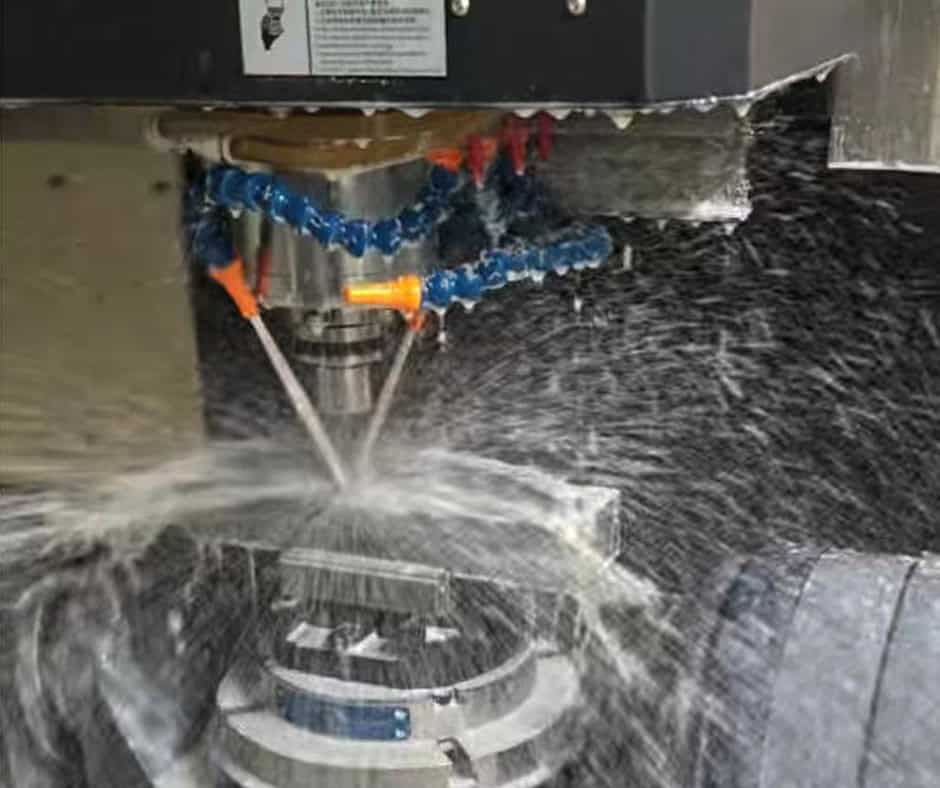
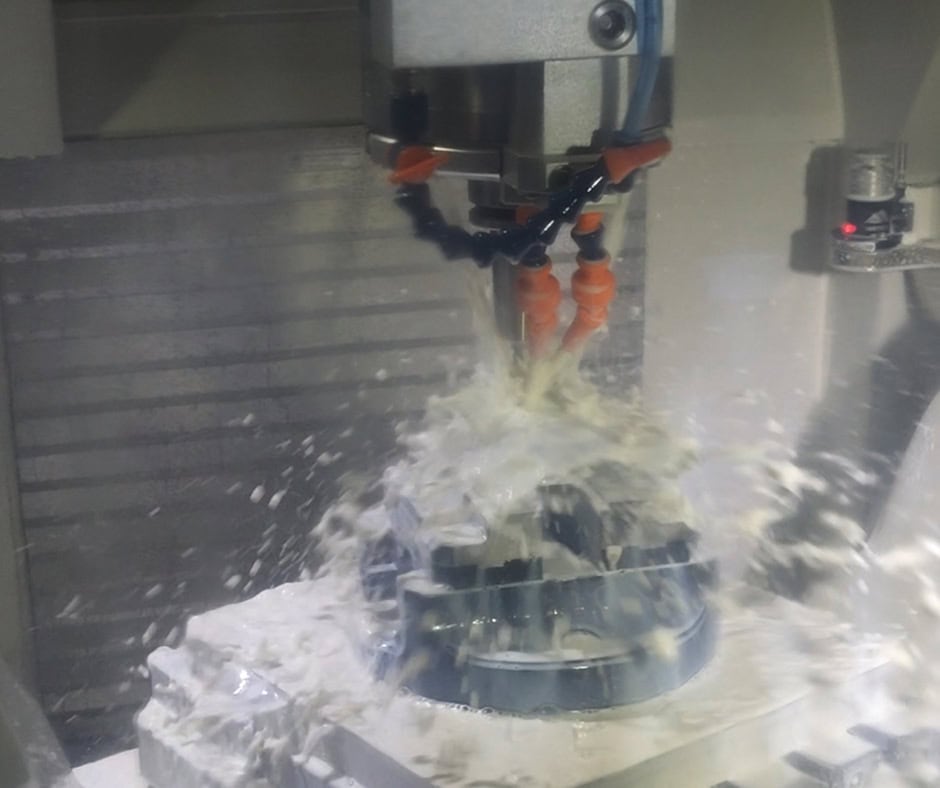
Machining 316L stainless steel requires careful control:
•Sharp carbide tools are recommended
•Steady feeds help reduce work hardening
•Proper coolant flow controls heat buildup
Surface finish has a direct impact on corrosion resistance and cleanability. Polished or passivated surfaces perform better in:
•Food and beverage processing
•Pharmaceutical systems
•Medical and hygiene-critical applications
Although higher surface finish levels may increase upfront cost, they often reduce long-term maintenance and contamination risks.
8. Typical Applications of 316L Stainless Steel
Because of its balanced properties, 316L stainless steel is widely used across many industries:
•Marine and Coastal Applications
•Boat fittings and railings
•Offshore platforms
•Coastal fasteners and anchors
•Chemical and Industrial Equipment
•Storage tanks and reactors
•Heat exchangers
•Process piping
•Food, Pharmaceutical, and Medical Uses
•Sanitary pipelines
•Surgical instruments and implants
•Food-grade containers and mixers
In these applications, reliability and compliance often outweigh initial material price.
9. Cost of 316L Stainless Steel: Key Influencing Factors
The cost of 316L stainless steel is higher than grades such as 304 stainless steel, mainly due to:
•Higher nickel content
•Addition of molybdenum
•Stricter quality and certification requirements
Other cost drivers include:
•Product form (sheet, plate, pipe, bar, tube)
•Surface finish and tolerance requirements
•Market fluctuations in alloy elements
10. Fabrication complexity
While the raw material price is higher, 316L often delivers lower total lifecycle cost by reducing corrosion-related failures, maintenance, and downtime.
Evaluating Total Cost, Not Just Material Price
When comparing materials, focusing only on purchase price can be misleading. In corrosive or hygiene-sensitive environments, a lower-grade stainless steel may require:
•More frequent replacement
•Additional coatings or protection
•Higher maintenance costs
In contrast, 316L stainless steel offers longer service life and more stable performance. For many projects, this makes it the more cost-effective option over time—even with a higher initial cost of 316L stainless steel.
11. How to Specify 316L Stainless Steel Correctly
To avoid misunderstandings during procurement, specifications should clearly include:
•UNS designation: S31603
•Applicable ASTM standard (e.g., A240, A312)
•Material condition (annealed or cold-worked)
•Surface finish requirements
•Passivation or testing requirements
•Clear specifications help control quality, lead time, and cost.
12. Final Thoughts
316L stainless steel is valued for its corrosion resistance, weld reliability, and adaptability across industries. Although the cost of 316L stainless steel is higher than standard grades, its long-term performance often justifies the investment.
By understanding how material properties, fabrication methods, and lifecycle cost interact, buyers and engineers can make smarter decisions and select 316L stainless steel with confidence.