What Is 316 Stainless Steel?
316 stainless steel is a widely used austenitic stainless steel known for its excellent corrosion resistance and reliable performance in demanding environments. When people ask what is 316 stainless steel or what is stainless steel 316, they are referring to a specific grade of stainless steel defined by its chemical composition and international standards.
The number 316 indicates a formulation that includes chromium and nickel, with the addition of molybdenum, which significantly improves resistance to corrosion—especially in chloride and marine conditions. This is why many wonder what does 316 stainless steel mean or what does 316 mean for stainless steel in practical terms: it identifies a corrosion-resistant grade suitable for harsh service.
Under standards such as AISI 316 stainless steel, this material is classified as austenitic, not martensitic or ferritic. In other words, 316 stainless steel is an austenitic stainless steel with a stable crystal structure and good toughness. First developed in the early 20th century, 316 stainless steel has since become a benchmark material across chemical, marine, food, and medical industries.
Table of Contents
Key Properties & Performance Characteristics of 316 Stainless Steel
Choosing a material isn’t just about looking up numbers on a datasheet. It’s about understanding how its inherent properties translate into real-world performance and longevity. 316 stainless steel is a premier engineering material precisely because of its superior, well-balanced characteristics, which we break down below.
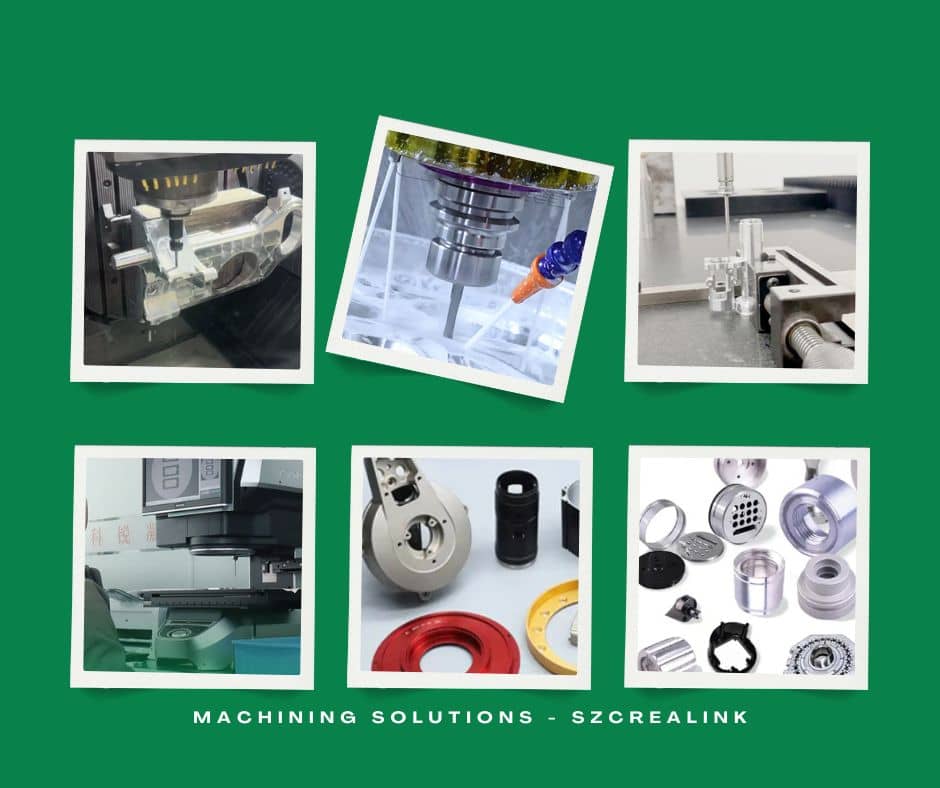
Outstanding Corrosion Resistance: The Defining Advantage
The single most important reason to specify 316 stainless steel is its exceptional corrosion resistance. This is not merely “rust-proof” in a general sense, but a targeted defense against aggressive environments.
•In Practice: While all stainless steels resist rust, 316 stainless steel stands out in harsh conditions. Its key additive is molybdenum (typically 2-3%), which dramatically strengthens its defense against chlorides and acidic environments. This makes it the preferred choice for components exposed to salt spray, marine atmospheres, chemical processing fluids, and acidic solutions. A common and critical question is: does 316 stainless steel rust in salt water? The answer is that it offers a significantly higher resistance to pitting and crevice corrosion in saltwater compared to standard grades like 304. It is not impervious to extremely long-term or highly concentrated exposure, but for most marine and coastal applications, it is the standard for a reason. You can therefore confidently state that 316 stainless steel is highly corrosion resistant and will not rust under typical service conditions that would quickly degrade lesser materials.
Mechanical Strength & Fabricability
316 stainless steel provides a robust combination of strength and usability, making it suitable for both structural and complex components.
•In Practice: It offers good tensile and yield strength, allowing it to withstand significant pressure, weight, and mechanical stress. This strength is maintained over a wide temperature range. Crucially, it retains excellent ductility and toughness, meaning it can be formed, welded, and machined into complex shapes without becoming brittle. This balance is vital for fabricating everything from large chemical tanks to intricate surgical instrument components without compromising the material’s integrity.
Thermal Performance
The thermal properties of 316 make it a reliable choice for applications involving temperature fluctuations.
•In Practice: It maintains good strength and oxidation resistance at both elevated and cryogenic (very low) temperatures. Its relatively lower thermal conductivity compared to carbon steel means it heats and cools more slowly, which can be an advantage in processes requiring thermal insulation or controlled heat transfer. This property must be accounted for during machining, as heat can concentrate at the cutting zone.
Non-Magnetic Nature: A Critical Functional Property
A frequently asked technical question is: is 316 stainless steel magnetic? or will a magnet stick to 316 stainless steel?
•In Practice: In its standard annealed (softened) state, 316 stainless steel is typically non-magnetic or only very slightly magnetic. This is because it has an austenitic crystal structure. This low magnetic permeability is essential for applications where magnetic interference must be avoided, such as in MRI machine components, certain electronic enclosures, or scientific instrumentation. It’s important to clarify that 316 stainless steel is ferrous (it contains iron), but its specific alloying composition and structure make it non-ferromagnetic. Cold working (like bending or machining) can induce some magnetism, but it generally remains weak.
Hygienic Surface & Aesthetic Longevity
Beyond pure mechanics, the surface performance of 316 is key for many industries.
•In Practice: The alloy forms a stable, self-healing chromium oxide layer on its surface. This makes it extremely easy to clean and sterilize, preventing bacteria adherence—a non-negotiable requirement for food processing, pharmaceutical, and medical device applications. Furthermore, this passive layer ensures it does not tarnish or turn green like copper alloys. It maintains a consistent, clean metallic appearance over time with proper care, which is important for architectural, marine, and consumer-facing applications.
Summary for Decision-Makers: You select 316 stainless steel when your application demands more than just basic rust resistance. Choose it for parts facing saltwater, chlorides, or industrial chemicals; where non-magnetic properties are required; where high strength and good fabrication are needed alongside corrosion resistance; or where hygiene and long-term aesthetic stability are critical. It is the engineering-grade solution for demanding environments.
316 Stainless Steel vs. 304 & 316L: The Practical Guide to Choosing Right
The decision between 316, 304, and 316L stainless steel is a fundamental engineering crossroads. While they appear similar, subtle compositional differences dictate cost, longevity, and performance. The core choice hinges on how aggressive your corrosion environment is and the specifics of your fabrication process.
The Core Difference in One Sentence: 316 outperforms 304 due to added molybdenum for superior corrosion resistance; 316L is a low-carbon variant of 316, trading a slight amount of strength for vastly improved weldability to prevent corrosion in welded joints.
1. 316 vs. 304: Balancing Performance and Budget
This is the classic “workhorse vs. specialist” comparison.
•The Decisive Factor: Corrosion Resistance
The fundamental difference is chemistry. 316 stainless steel contains 2-3% molybdenum, while 304 does not. This single element grants 316 far greater resistance to pitting and crevice corrosion from chlorides (like saltwater, de-icing agents, industrial chemicals) and acidic environments. So, to the frequent question “will 316 stainless steel rust in salt water?” – while no material is utterly immune, 316 offers significantly longer service life than 304 in such conditions. For harsh environments, 316 is the more corrosion-resistant choice.
•Mechanical Properties: Which is Stronger?
In terms of mechanical strength, they are very close in the annealed condition. Their tensile and yield strengths are nearly identical. A common query is, “is 316 stainless steel stronger than 304?” The standard answer is no; they are comparable in strength. Sometimes, 304 can even achieve a slightly higher hardness through cold working. Strength is typically not the deciding factor between these two grades.
•Cost & Application Guidance
The molybdenum content makes 316 stainless steel more expensive than 304, often by 20-40%. This cost directly informs their application:
Choose 304 for: General-purpose applications in mild environments. This includes indoor architectural trim, kitchen equipment, tanks for non-corrosive media, and fasteners for non-coastal outdoor use. It is the cost-effective, versatile default.
Choose 316 for: Aggressive environments. This is the standard for marine components, coastal architecture, chemical processing equipment, pharmaceutical plants, medical implants, and any application involving chlorides or acids. The rule is: pay for the environment. Using 316 where 304 would fail is an investment, not an overspend.
2. 316 vs. 316L: The Welding Consideration
This comparison is all about fabrication integrity.
•The Core Difference: Carbon Content
The “L” stands for “Low Carbon.” 316L has a maximum carbon content of 0.03%, lower than the 0.08% max in standard 316. This small change has a major practical impact.
•Weldability: The Critical Divider
During welding, high heat can cause carbon to bind with chromium at grain boundaries, depleting chromium and creating zones susceptible to “intergranular corrosion.” The low carbon in 316L drastically reduces this risk in the “heat-affected zone” around welds, making it the mandatory choice for components that will be welded.
•The Strength Trade-off
Since carbon contributes to strength, 316L has slightly lower mechanical strength than standard 316. For the vast majority of applications, this difference is negligible. However, for critical, high-pressure designs pushing material limits, it must be factored in.
•How to Choose:
Choose Standard 316: If the component will not be welded, or if it can be fully solution annealed (heat-treated) after welding to restore corrosion resistance, and the highest as-supplied strength is needed.
Choose 316L: This is the industry standard for any part that requires welding, especially thicker sections. It is universally used for chemical piping, pressure vessels, pharmaceutical tanks, and large fabricated structures. In short, 316L is the weld-optimized version of 316.
A Note on "18-8" and "18-10" Stainless Steel
You may encounter terms like “18-8” or “18-10.” These refer to the approximate content of chromium (~18%) and nickel (~8% or 10%). “18-8 stainless steel” is generally equivalent to 304. “18-10” typically denotes a 304 variant used in high-end cookware for better lustre and formability, not for added corrosion resistance. Neither contains molybdenum, so they do not match the corrosion performance of 316.
Your Decision Flowchart
•Step 1: Assess the Environment. Will it face chlorides, acids, or a marine setting?
YES -> Move to the 316 family.
NO -> 304 is likely your most economical choice.
•Step 2 (if choosing 316 family): Assess Fabrication. Will the part be welded?
YES -> 316L is the safe, standard choice.
NO -> Consider standard 316, based on your strength budget.
Ultimately, the question “which is better, 304 or 316 stainless steel?” has no universal answer – only the answer that is best for your specific application. Paying the premium for 316 in a mild environment is a waste, but saving cost with 304 in a harsh one is a risk. The wise choice starts with a clear understanding of the environmental challenge and fabrication demands.
Manufacturing, Processing & Practical Considerations for 316 Stainless Steel
Working with 316 stainless steel requires a specific understanding of its behavior under the stresses of fabrication. While its excellent corrosion resistance and strength are the end goals, achieving them consistently depends on respecting the material’s characteristics during machining, welding, and finishing. Here are the key practical considerations from the shop floor.
Machining 316: A Dance with Hardening
316 is not the easiest metal to machine. Its ductility and toughness, while beneficial for the final part, can lead to challenges during cutting.
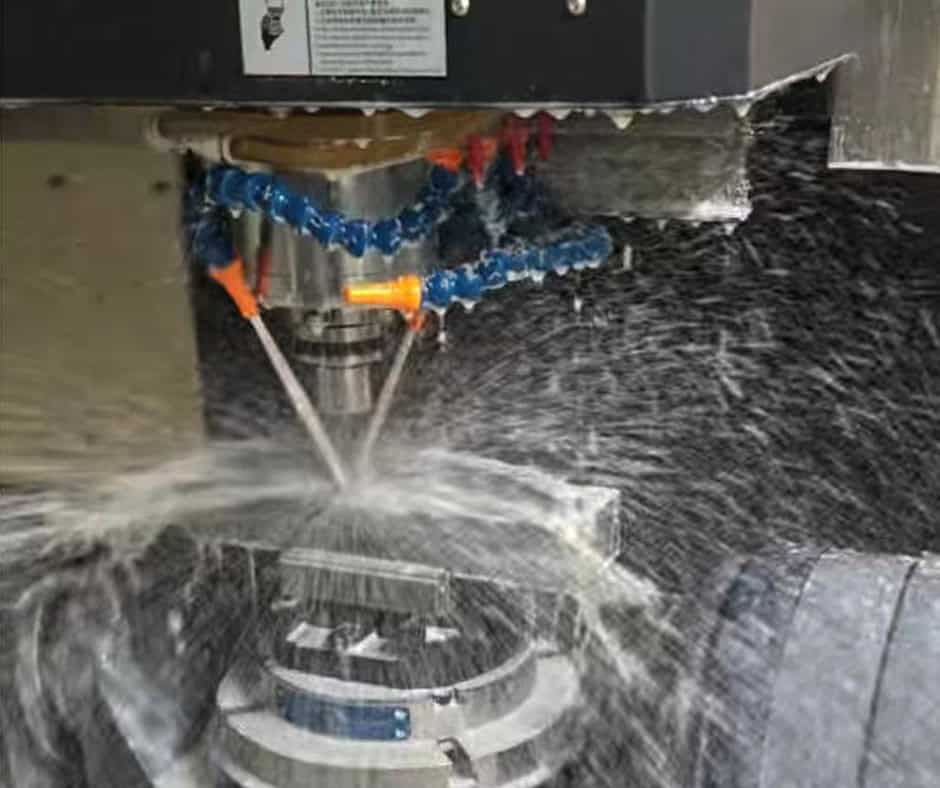
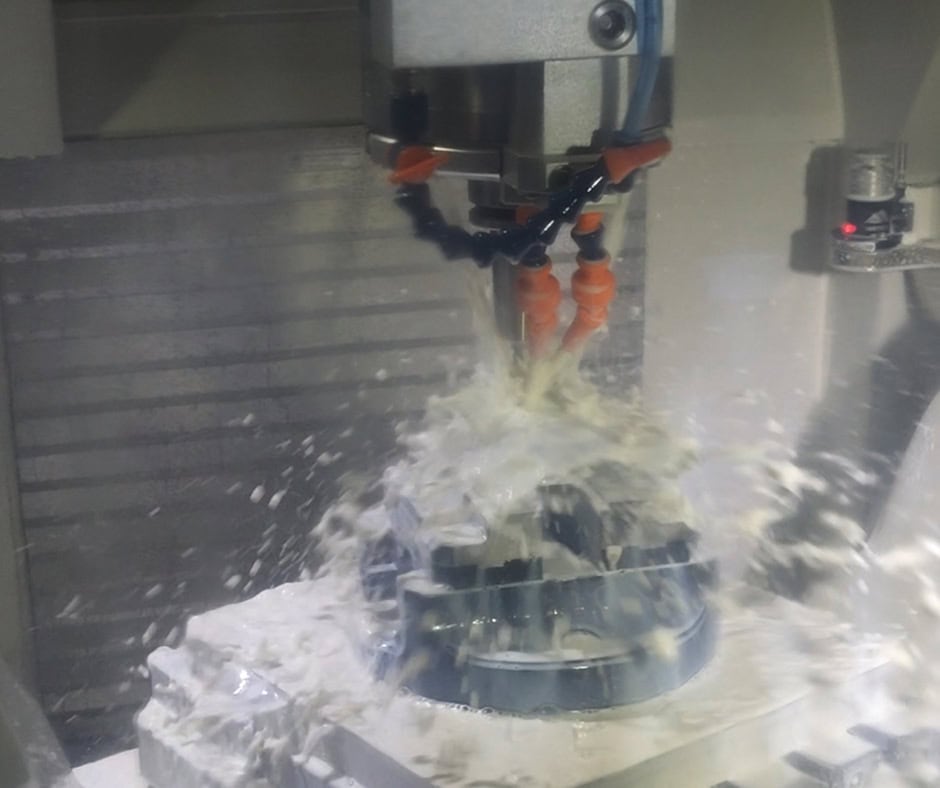
•The Challenge: The material has a strong tendency to work-harden. If a cutting tool dwells, uses too light a cut, or is not sharp enough, it can “rub” rather than “shear,” causing the area just ahead of the cut to harden dramatically. This hardened layer then rapidly degrades the next pass of the cutting tool, leading to poor surface finish, dimensional inaccuracy, and excessive tool wear.
•Best Practices: Successful machining relies on maintaining control. We use rigid machine setups, sharp carbide tooling with specialized coatings designed for stainless steels, and employ consistent, aggressive enough feed rates. The goal is to cut cleanly below the work-hardened layer created by the previous pass, ensuring the tool always engages with predictable, uniform material. For operations like drilling, this means using a high-quality drill bit with a precise point geometry and applying steady, sufficient pressure to establish a clean cut immediately.
The Welding Question: 316 vs. 316L
A fundamental question is: can 316 stainless steel be welded? The answer is yes, but with a critical caveat.
•The Risk: During the high heat of welding, carbon in the steel can combine with chromium at the grain boundaries in the “heat-affected zone” (HAZ) surrounding the weld. This depletes local chromium levels, compromising the corrosion resistance that defines 316 and making the HAZ susceptible to weld decay or intergranular corrosion.
•The Practical Solution: This is precisely why 316L (the low-carbon variant) was developed. For any project where welding is required, 316L is the strongly preferred and often specified material. Its low carbon content (<0.03%) minimizes the risk of this harmful carbide precipitation. When welding standard 316 is unavoidable, strict control of heat input and the use of low-carbon filler metals are essential. In high-integrity applications, a full solution annealing heat treatment after welding may be necessary to dissolve any carbides and restore corrosion resistance—a costly and often impractical step for large fabrications.
Heat Treatment: Strengthening vs. Restoring
The topic of heat treatment for 316 often leads to the question: can 316 stainless steel be hardened?
•The Reality: Unlike martensitic stainless steels (like 440C), austenitic 316 stainless steel cannot be hardened by traditional quenching and tempering. Its austenitic structure is stable and does not transform to martensite upon rapid cooling.
•The Methods: There are two primary heat treatment paths for 316:
1.Solution Annealing: This is the most common heat treatment. It involves heating the material to a high temperature (around 1900-2050°F / 1040-1120°C) followed by rapid quenching. This process dissolves any carbides that may have formed (e.g., during welding or hot working) and returns the alloy to its softest, most ductile, and most corrosion-resistant state. It’s a reset button for the microstructure.
2.Cold Work Hardening: The primary way to increase the hardness and strength of 316 is through cold working—processes like rolling, drawing, or bending at room temperature. This mechanically deforms the grains, making them stronger but less ductile. The degree of hardening is directly related to the amount of cold work applied.
Cutting and Forming: Managing Strain
Forming 316 requires more force than milder steels due to its higher strength and work-hardening rate.
•Cutting: For sheet or plate, plasma cutting or waterjet cutting are excellent choices as they introduce minimal heat-affected zones. Laser cutting is also highly effective with modern equipment. For manual or non-CNC cutting, abrasive saws or high-quality band saw blades with the correct tooth pitch for stainless steel are necessary to avoid excessive hardening at the cut line.
•Forming: When bending or stamping, it’s crucial to account for its “springback”—the tendency of the material to return slightly toward its original shape after forming. Over-bending is often required to achieve the desired final angle. The higher yield strength also means presses and dies must be robust enough to handle the required tonnage without deflection.
Surface Finish: The Final Layer of Defense
The surface condition of 316 is not merely aesthetic; it directly impacts its performance. A smooth, clean finish improves corrosion resistance by making it harder for contaminants to adhere and easier to clean.
•Post-Machining: After machining, processes like passivation are critical. This chemical treatment removes free iron particles embedded in the surface from cutting tools and restores a uniform, protective chromium oxide layer. For applications requiring ultra-smooth, hygienic surfaces (food, medical, semiconductor), electropolishing is used. It microscopically removes surface material, leveling peaks and valleys, which dramatically improves cleanability and further enhances corrosion resistance.
In summary, fabricating 316 stainless steel successfully is a balance of applying sufficient, controlled force to overcome its strength while managing the heat and deformation that can alter its carefully engineered properties. The choice between standard 316 and 316L at the design stage is the first and most important manufacturing decision, setting the stage for all subsequent processing steps.
Typical Applications & Industries for 316 Stainless Steel
The selection of 316 stainless steel is driven by a simple principle: its performance is essential where failure is not an option. It is the material specified when environments are aggressive, hygiene is critical, or long-term reliability under stress is paramount. Its superior corrosion resistance, particularly against chlorides, dictates its use across several key industries.
Medical & Pharmaceutical: Where Safety is Non-Negotiable
In medical and pharmaceutical applications, material safety and stability are paramount. This is a core domain for 316 stainless steel, especially the 316L variant.
•Why it’s suitable: Beyond its excellent resistance to sterilizing agents and bodily fluids, 316 stainless steel is considered hypoallergenic and biocompatible. It does not react with the human body, making it safe for long-term implantable devices (like bone screws and plates) and surgical instruments. Its non-porous, smooth surface can be electropolished to a mirror finish, which prevents bacterial adhesion and allows for thorough, repeated sterilization in autoclaves. For this reason, it is the standard material for critical surgical tools, implantable components, and pharmaceutical processing tanks.
Food & Beverage Processing: Ensuring Purity and Hygiene
A common and critical question is: is 316 stainless steel food grade? The answer is a definitive yes. It is not only food safe but is often the preferred grade over 304 for demanding applications.
•Why it’s suitable: It resists corrosion from acidic foods (citrus, tomatoes), salty brines, and cleaning chemicals used in food processing. Its non-reactive nature ensures no metallic taste leaches into food or drink, answering “is 316 stainless steel safe for drinking water?” affirmatively. Its ease of cleaning and ability to be polished to a smooth, crevice-free finish meet stringent hygienic design standards. You will find it in brewing tanks, pasteurizers, food cooking surfaces (can you cook on 316 stainless steel? — yes, excellently), and high-end food service equipment.
Marine & Coastal Environments: Battling Salt and Water
When the question is “is 316 stainless steel marine grade?”, it represents the standard answer. Its performance in saltwater is its defining advantage.
•Why it’s suitable: The molybdenum content in 316 provides exceptional resistance to pitting and crevice corrosion caused by chloride ions in seawater, salt spray, and coastal atmospheres. This makes it indispensable for boat fittings (cleats, railings, propeller shafts), offshore platform components, desalination plant equipment, and architectural facades in coastal cities. While not utterly impervious to extreme long-term exposure, it offers the best practical corrosion resistance among commonly used stainless steels for marine applications.
Chemical & Industrial Processing: Handling Harsh Media
In chemical plants, pulp and paper mills, and oil & gas facilities, equipment faces constant attack from aggressive acids, alkalis, and process chemicals.
•Why it’s suitable: 316’s enhanced chemical resistance makes it suitable for pipes, valves, pumps, heat exchangers, and storage tanks handling a wide range of corrosive media. Its strength retains integrity under pressure and temperature fluctuations common in industrial settings. The welding & fabrication of 316 stainless steel into large, complex vessels is routine, with 316L being specified for all welded constructions to prevent weld decay.
Architectural & Consumer Goods: Durability Meets Aesthetics
For high-end consumer products and demanding architectural features, 316 offers lasting beauty and strength.
•Why it’s suitable: For jewelry and body piercings, a key question is: is 316 stainless steel good for jewelry or piercings? As a cost-effective and highly corrosion-resistant option, it is widely used. However, for long-term wear, even more inert alloys like 316L or specialty grades are often preferred. In architecture, it is used for roof flashings, curtain walls, and street furniture in polluted urban or coastal areas where 304 might stain. For high-performance knives (is 316 stainless steel good for knives?), it is valued more for its corrosion resistance in wet environments than for ultimate edge retention, making it a good choice for diving, fishing, or kitchen knives where maintenance might be inconsistent.
In summary, you find 316 stainless steel wherever the cost of material failure – whether through corrosion, contamination, or structural compromise – is unacceptably high. It is the engineer’s choice for bridging the gap between severe operational demands and long-term, reliable performance.
Cost, Forms & Procurement Considerations for 316 Stainless Steel
Procuring 316 stainless steel is an exercise in balancing specification with budget. While its superior performance is well-established, understanding the factors that influence its final cost and how to source it correctly is key to a successful project. This section provides a neutral overview of what drives price and what to consider when purchasing.
Factors Influencing the Cost of 316 Stainless Steel
The price per pound or kilogram of 316 is not a fixed number but a reflection of several interconnected variables.
•Material Premium: The foundational cost driver is the alloy itself. 316 stainless steel is more expensive than 304 stainless steel, typically by a significant margin (often cited as 20-40% for raw material). This premium is directly due to its nickel and, crucially, molybdenum content. Market prices for these alloys fluctuate, impacting the base cost.
•Product Form & Processing: The form in which you purchase the material greatly affects price. Common forms include sheet, plate, bar (round, hex, square), tube, pipe, and wire. Each has undergone different levels of processing (hot rolling, cold drawing, precision cutting), with more processed forms (like cold-rolled, precision-ground bar) commanding higher prices than standard hot-rolled stock.
•Quantity & Dimensions: Volume plays a major role. Purchasing full mill quantities or standard stock sizes is always more economical than buying small, cut-to-order pieces, which include additional handling and machining costs. Similarly, non-standard thicknesses or diameters will be more expensive.
•Certification & Traceability: For regulated industries (medical, aerospace, pressure vessels), certified material with full traceability back to the mill melt is required. This involves extra testing, documentation (such as a Mill Test Certificate or MTC), and quality assurance protocols, all of which add to the cost. The scrap value of certified material can also be higher for this reason.
•Surface Finish: Standard 2B mill finish is the baseline. Specifying a special finish—such as a polished, brushed, or pickled and passivated surface—adds processing steps and cost.
Common Product Forms for Fabrication
Understanding available forms helps in design and sourcing:
•Sheet & Plate: For laser/waterjet cutting, bending, and forming into panels, chassis, or tanks.
•Bar Stock: The primary raw material for CNC machining (turning, milling) of shafts, fittings, and custom components.
•Tubing & Pipe: For fluid and gas transfer systems, structural applications, and machinery.
•Structural Sections: Such as angles and channels, used in frames and supports in corrosive environments.
Verification and Identification: A Critical Step
Given the cost difference between 304 and 316, and the critical nature of its applications, verifying material grade is essential. How can you tell 304 from 316 stainless steel? While definitive analysis requires lab equipment (like X-ray fluorescence or XRF guns), there are practical steps:
1.Check Documentation: Always request and review the Mill Test Certificate (MTC). This is the most reliable method and provides chemical analysis and mechanical properties.
2.Material Test Reports (MTR): Reputable suppliers provide these for traceability.
3.Spot Testing Kits: Commercially available chemical test kits can identify molybdenum presence. A drop of testing solution on 316 will exhibit a color change (often to red or pink) due to the molybdenum, while 304 will not. Warning: These are for indicative use on clean, uncoated material and are not a substitute for certified documentation.
4.Visual Clues (Unreliable): There is no reliable visual distinction. Both are silver and can have similar finishes. Relying on appearance or a simple magnet test (both are typically non-magnetic) is insufficient and risky.
Procurement Guidance
When deciding where to buy 316 stainless steel or evaluating the best supplier, consider these points:
•Supplier Specialization: Look for metal service centers or distributors that specialize in stainless steels and nickel alloys. They are more likely to stock various forms, understand the specifics of the grade, and provide proper documentation.
•Technical Support: A good supplier can offer advice on form selection, equivalent grades, and sometimes even connect you with processing services.
•Value vs. Price: The lowest price per kilogram may not represent the best value if it compromises certification, on-time delivery, or material consistency. For critical projects, the cost of a part failure due to substandard material far outweighs initial savings.
In summary, procuring 316 stainless steel is a technical purchase. The total cost is a function of its advanced composition, the required form and certification, and purchase volume. The cornerstone of a successful procurement is a clear specification and insisting on verifiable, certified material from a knowledgeable supplier.
FAQs About 316 Stainless Steel
Here are answers to some of the most common practical questions about 316 stainless steel, designed to clarify its use and properties.
1. Is 316 stainless steel magnetic?
Typically, no. In its standard annealed (softened) state, 316 stainless steel has a non-magnetic austenitic structure. This makes it suitable for applications where magnetic interference must be avoided, such as near sensitive electronics or MRI machines. Note that cold working (like bending or machining) can induce slight magnetism.
2. Will 316 stainless steel rust?
Under normal conditions, 316 stainless steel is highly resistant to rust (corrosion). Its key advantage is exceptional resistance to chloride-induced pitting and crevice corrosion, making it the preferred choice for marine and chemical environments where standard grades like 304 would be at risk. It is not “rust-proof” in all extreme conditions, but it offers the best practical corrosion resistance among common stainless steels.
3. How can I identify 316 vs. 304 stainless steel visually?
You cannot reliably tell them apart by sight alone, as both have a similar silvery appearance. The most reliable method is to check the material’s Mill Test Certificate (MTC) for its chemical composition. For a quick field check, a specific molybdenum test kit is used; a chemical solution will cause a distinct color change on 316 due to its molybdenum content, but not on 304.
4. Is 316 stainless steel food safe?
Yes, absolutely. 316 stainless steel is considered food grade and is widely used in food processing, brewing, and high-end cookware. Its non-reactive surface prevents metal leaching, and its superior corrosion resistance withstands acidic foods and cleaning chemicals better than 304, making it a premium choice for demanding food service and pharmaceutical applications.
5. Can 316 stainless steel be welded?
Yes, it can be welded. However, for the best results and to prevent a loss of corrosion resistance in the welded area, the low-carbon variant 316L is specifically designed and highly recommended for welding. Standard 316 requires very careful welding procedures and may need post-weld heat treatment, which is why 316L is the standard choice for fabrications.