What Is 304 Stainless Steel?
304 stainless steel is a standard austenitic stainless steel widely used across industrial, structural, and consumer applications. It belongs to the chromium nickel steel family, typically alloyed with approximately 18% chromium and 8% nickel, which provides stable corrosion resistance and good mechanical performance. Because of this composition, it is often classified as a form of stainless chromium steel suitable for both fabrication and long-term service.
In manufacturing and construction, 304 stainless steel is supplied in many forms, including 304 stainless steel pipe, stainless strip, sheet, and other structural stainless steel products. These materials are commonly specified in processing equipment and piping systems, making 304 a frequent choice for stainless steel for the chemical industry, where resistance to moisture, mild acids, and cleaning chemicals is required.
Outside industrial use, the same grade is also found in everyday products such as stainless steel dishes, kitchen equipment, and food-handling components, where cleanliness and durability matter. When buyers ask “what’s a 304,” they are usually referring to this versatile, non-magnetic stainless grade that performs reliably without complex heat treatment. In some informal contexts, it may also be loosely called 4 stainless steel, although 304 is the correct technical designation.
Compared with coated materials like galvanized steel, which rely on a zinc layer for protection, 304 stainless steel resists corrosion through its internal alloy structure. For this reason, understanding what is galvanized steel versus stainless steel is important when selecting materials for environments where surface wear, long service life, or chemical exposure are key concerns.
Table of Contents
Naming, Standards & Common Terms
In global supply chains, 304 stainless steel is known by several names and standards, which often leads to confusion about whether different terms describe the same material. In most cases, they do.
The designation 304 originates from the ASTM system and is widely used in North America. Under European standards, the equivalent material is commonly referred to as 1.4301 (EN 10088), while ISO standards also align closely with ASTM 304. These names generally refer to the same chromium-nickel austenitic stainless steel grade, with only minor specification differences depending on regional requirements.
You may also see informal descriptions such as 18-8 stainless steel or 18-10 stainless steel. These terms describe the approximate alloy composition—around 18% chromium with 8–10% nickel—and are commonly used in consumer goods like cookware. When people ask “18 10 stainless steel what does it mean”, they are usually referring to a corrosion-resistant stainless grade similar to 304, though industrial specifications should always be confirmed by standard, not by shorthand naming.
In product listings, 304 is often grouped under general categories such as stainless steel bar, stainless strip, or tubing, including 304 SS tubing, stainless steel metric tubing, and stainless steel rectangular tubing. Sizes like 3/8 stainless steel rod, 1/8 stainless steel rod, or various stainless steel exhaust pipe formats may still be made from 304, but the grade should be verified on the mill certificate.
It is also important to distinguish 304 from other stainless families. 309 stainless steel is designed for higher-temperature environments, while 400 series stainless steel is magnetic and does not contain significant nickel. Likewise, 304 stainless steel should not be confused with mild steel or coated materials, which differ fundamentally in corrosion behavior and alloy structure.
Key Properties & Performance Characteristics
The popularity of 304 stainless steel comes from a balanced set of physical, mechanical, and chemical properties that work well across many applications—from structural tubing to exhaust systems and process equipment.
Magnetic and Ferrous Behavior
A common question is “is stainless steel magnetic?” In its annealed condition, 304 stainless steel is generally non-magnetic due to its austenitic structure. This differs from 400 series stainless steel, which is magnetic. Questions such as “is 316 SS magnetic” arise for the same reason—both 304 and 316 are austenitic and have very low magnetic response. From a materials standpoint, is stainless steel ferrous? Yes, it contains iron, but alloying elements like nickel control magnetic permeability. This is why stainless steel permeability is low compared with carbon steel.
Alloy Composition and Corrosion Resistance
304 contains nickel, so does stainless steel have nickel? – in this case, yes. This nickel content improves corrosion resistance and explains why 304 performs well in wet environments. Still, will 304 stainless steel rust? Under normal atmospheric and indoor conditions, corrosion is minimal, but chloride exposure or poor maintenance can cause surface rust. Understanding how to prevent stainless steel from rusting—proper cleaning, avoiding stagnant chlorides, and correct material selection – is key.
Mechanical Strength and Hardness
From a structural perspective, engineers consider properties such as stainless steel yield point, shear strength of stainless steel, and stainless steel hardness. 304 offers moderate yield strength and good ductility, making it suitable for forming stainless steel bar, rods, and tubing. Hardness values are often discussed using stainless steel Mohs hardness, which is relatively low compared to tool steels but sufficient for most structural uses. For comparison, 18-8 stainless steel yield strength closely aligns with 304 values.
Density, Weight, and Design Calculations
For cost and logistics, density matters. The SS density in kg/m³ for 304 is close to other austenitic grades and slightly different from the density of stainless steel 316. Designers often rely on tools like a steel tube weight calculator to estimate steel weight, especially for stainless steel exhaust pipe systems, rectangular tubing, or long runs of 304 SS tubing. These calculations directly affect material cost and pipe stainless steel price.
Thermal and Electrical Behavior
304 stainless steel maintains stability across a wide operating range. Engineers often reference stainless steel temperature rating, stainless steel boiling point, and the coefficient of thermal expansion of stainless steel 304 when designing heated systems. Thermal properties such as SS thermal conductivity and stainless steel electrical properties are lower than carbon steel, which affects heat dissipation and electrical isolation. The E modulus stainless steel also indicates that 304 is less stiff than mild steel, influencing deflection and vibration behavior.
Application-Driven Performance
Because of its balanced properties, 304 is widely used in stainless steel exhaust pipe systems (including 3-inch stainless steel exhaust tubing, 4-inch stainless exhaust tubing, and 5-inch stainless exhaust pipe), process piping, and structural frames. Whether used as 1/4 stainless tubing, 1-inch stainless steel tubing, or metric tubing formats, the performance characteristics remain consistent as long as the material is properly specified and fabricated.
304 Stainless Steel vs Common Alternatives: How to Choose the Right Material
At a high level, 304 stainless steel is valued for balanced corrosion resistance, formability, and cost, while alternative materials trade off one or more of these factors for specific use cases. Understanding these differences helps avoid over-engineering—or choosing a material that fails too early.
304 Stainless Steel vs Other 300 Series Grades
What is 300 series stainless steel?
The 300 series includes austenitic stainless steels that contain chromium and nickel. Within this family, 304 is the most widely used.
•18-8 stainless steel is essentially a common name for 304, describing its approximate chromium and nickel content. In most industrial contexts, they can be treated as the same material.
•301 SS vs 304 SS: 301 has higher strength after cold working but lower corrosion resistance. Choose 301 when strength and spring properties matter; choose 304 for general corrosion resistance and easier forming.
•303 vs 304 stainless: 303 machines more easily due to added sulfur, but this reduces corrosion resistance. For structural or welded parts, 304 is usually the safer choice.
•302 stainless steel sheet performs similarly to 304 but is less common today. In most cases, 304 stainless steel sheet is the preferred and more readily available option.
304 vs 201 and 430 Stainless Steel
When cost pressure is high, buyers often compare lower-alloy options.
•201 stainless vs 304 stainless: 201 replaces some nickel with manganese, reducing cost but also lowering corrosion resistance. It may be suitable for indoor or decorative uses, but for long-term durability, 304 is the better choice.
•430 stainless steel is a ferritic grade with no nickel. It is magnetic and more affordable, but its corrosion resistance is significantly lower. 430 works for appliances or decorative panels, while 304 is preferred for food, chemical, and outdoor environments.
304 vs 316 / 316L Stainless Steel
A common decision point is corrosion performance versus cost.
•Is 316L or 304L cheaper? 304L is generally less expensive.
•316 stainless plate includes molybdenum, which improves resistance to chlorides and marine environments. If your application involves saltwater or aggressive chemicals, 316 is worth the premium. For most general-purpose applications, 304 offers sufficient performance at a lower cost.
304 Stainless Steel vs Carbon Steel
Comparing 304 stainless steel vs carbon steel highlights why stainless is often chosen despite higher upfront cost.
•Does carbon steel rust? Yes—without coatings or treatments, carbon steel corrodes easily.
•In terms of steel vs stainless steel strength, carbon steel can be stronger in some grades, but it lacks corrosion resistance.
•304 stainless steel delivers long service life with minimal maintenance, making it cost-effective over time for exposed or hygienic environments.
Stainless Steel vs Aluminum
In the aluminium vs stainless steel comparison, weight and strength are key.
•Aluminum is lighter and easier to machine.
•304 stainless steel is stronger, more temperature-resistant, and better for wear and impact resistance.
Choose aluminum for lightweight structures; choose 304 stainless steel for durability and structural integrity.
Product Forms and Thickness Considerations
Material choice often ties closely to form and thickness:
•304 stainless steel sheet is widely available in finishes such as brushed stainless steel sheet and mirrored stainless steel.
•Common gauges like 20 gauge stainless steel sheet or 22 gauge stainless steel are used for enclosures and panels, while thicker plates (e.g., 3/8 metal plate or half inch steel plate) serve structural roles.
•Weight calculations using an SS sheet weight reference or a stainless weight chart are essential for cost and handling decisions.
Practical Selection Guidance
Choose 304 stainless steel when you need:
•Balanced corrosion resistance and strength
•Reliable availability in sheet, plate, and fabricated forms
•Good weldability and formability for long-term use
Consider alternatives only when a specific requirement – lower cost, higher strength, lighter weight, or extreme corrosion resistance – clearly outweighs 304’s all-around performance.
In short, 304 stainless steel remains the default choice because it minimizes risk across the widest range of real-world applications.
Manufacturing, Processing & Practical Considerations for 304 Stainless Steel
When working with 304 stainless steel in real production environments, its popularity comes from predictable behavior during forming, machining, and joining—but it also has a few characteristics that require proper process control.
Fabrication and Forming in Practice
In practice, 304 stainless steel is easy to cut, bend, and form compared with many other stainless grades. Its austenitic structure gives it good ductility, which is why it is commonly used for sheet metal parts, tubing, and welded assemblies. Cold forming is widely used, but operators should expect noticeable work hardening. As deformation increases, the material becomes stronger and harder, which may require intermediate annealing for complex shapes or deep draws.
Welding Behavior and Key Considerations
One of the most common questions is can you weld stainless steel? For 304, the answer is yes—very reliably.
•304 stainless steel welding is typically performed using TIG, MIG, or laser welding methods.
•When welding 304 stainless steel, cleanliness is critical. Oil, grease, or carbon steel contamination can lead to defects or corrosion issues near the weld.
•Low-carbon variants (304L) are often preferred for thicker sections to reduce the risk of carbide precipitation and intergranular corrosion.
In comparison, welding 316 stainless steel follows similar procedures, but 316’s molybdenum content slightly changes filler selection and heat input control. From a fabrication standpoint, 304 is generally more forgiving and cost-effective for standard welded structures.
Heat Control and Distortion Management
When processing 304 stainless steel, heat management matters. The material has lower thermal conductivity than carbon steel, meaning heat stays concentrated near the tool or weld. This can lead to distortion in thin sheets or long weld seams. In practice, fabricators address this by:
•Using controlled heat input and balanced welding sequences
•Applying proper fixturing to maintain dimensional stability
•Allowing for stress relief where tight tolerances are required
Machining and Surface Finishing
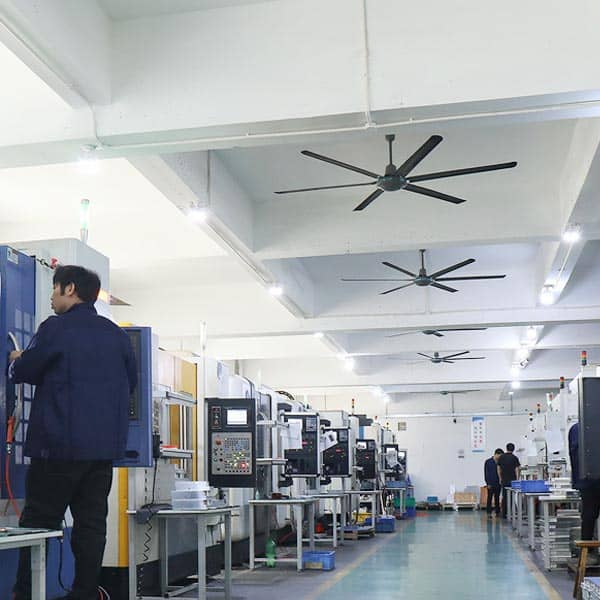
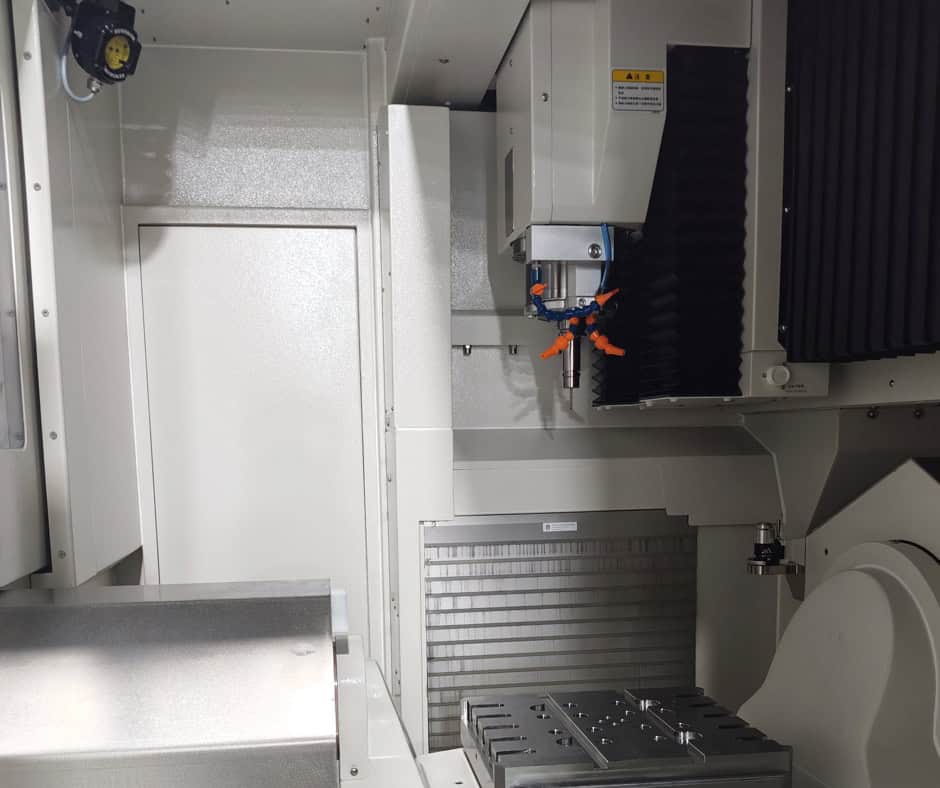
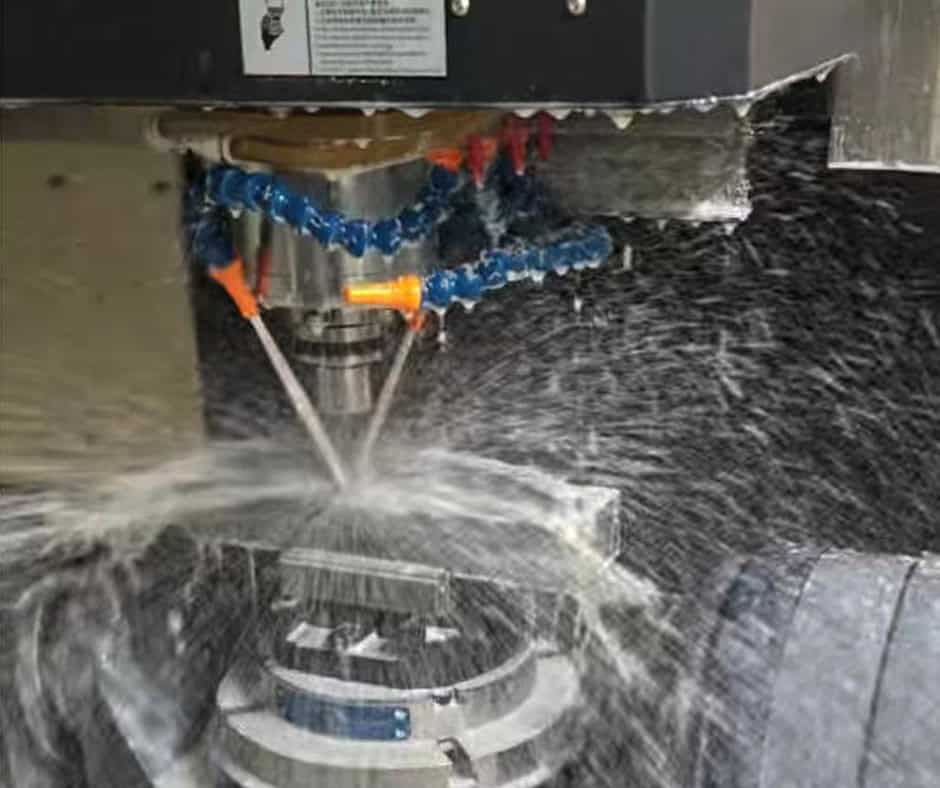
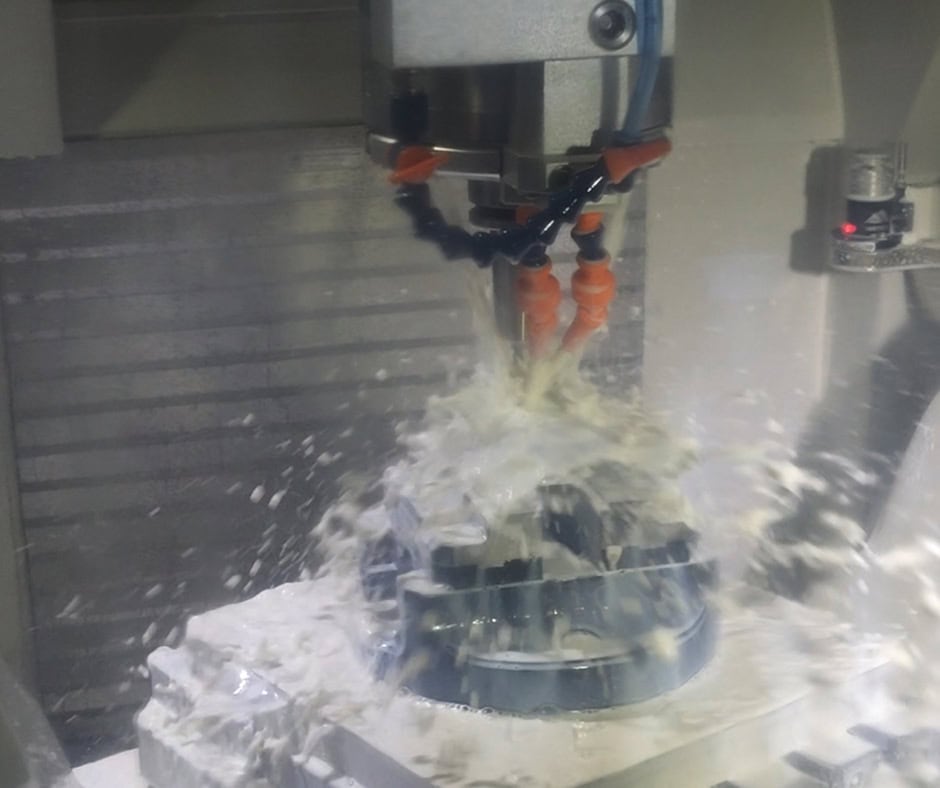
Machining 304 stainless steel is straightforward but not identical to mild steel. Its tendency to work harden means sharp tools, stable feeds, and avoiding tool dwell are important. Coolant use helps manage heat and extend tool life. For surface finishing, 304 responds well to brushing, polishing, and passivation, making it suitable for both functional and aesthetic applications.
Practical Takeaway
From real-world experience, 304 stainless steel offers a reliable balance: it is easy to fabricate, easy to weld, and consistent across batches when standard procedures are followed. Most challenges—such as work hardening, heat buildup, or weld cleanliness—are well understood and easily managed with proper shop practices. This predictability is a key reason 304 remains the default choice for so many fabricated stainless steel components.
Typical Applications & Industries for 304 Stainless Steel
304 stainless steel is widely used because it offers a practical balance of corrosion resistance, formability, strength, and cost. Below are the most common application areas, grouped by industry, with a brief explanation of why this material fits each use.
Food, Beverage & Kitchen Equipment
304 stainless steel is one of the most common materials for food-contact applications. Its corrosion resistance, ease of cleaning, and good hygiene performance make it suitable for:
•Stainless steel dishes and cookware
•Food processing equipment and tanks
•Commercial kitchen surfaces and fixtures
The chromium–nickel composition helps prevent rust and staining under normal washing and food exposure conditions.
Chemical & Process Industries
In chemical processing environments, material stability and resistance to mild acids are critical. 304 stainless steel is often used for:
•Stainless steel for the chemical industry
•Piping systems, tanks, and valves handling non-chloride chemicals
•Structural stainless steel products used in processing plants
It performs well in many controlled chemical environments, though more aggressive media may require higher-alloy grades.
Construction & Structural Applications
Because it combines strength with corrosion resistance, 304 stainless steel is commonly used in:
•Structural stainless steel products
•Architectural components, frames, and supports
•Stainless steel strip and formed profiles
Its good weldability and consistent mechanical properties make it suitable for fabricated structural assemblies.
Tubing, Piping & Fluid Systems
304 stainless steel pipe and tubing are widely used in industrial and commercial systems, including:
•Process piping and fluid transfer lines
•Heat exchanger tubing
•Stainless steel exhaust and general-purpose tubing
The material offers reliable pressure performance and long service life in indoor and moderately corrosive environments.
Consumer Products & General Manufacturing
Many everyday products rely on 304 stainless steel for durability and appearance, such as:
•Household appliances and enclosures
•Decorative metal components
•General fabricated parts made from stainless strip or sheet
Its ability to accept brushed, polished, or mirrored finishes makes it suitable for both functional and visual applications.
Practical Summary
304 stainless steel is best suited for applications that require good corrosion resistance, easy fabrication, and stable performance across a wide range of industries. It may not be ideal for highly chloride-rich or extreme environments, but for general industrial, food-related, and structural uses, it remains one of the most versatile and widely specified stainless steel grades.
Cost, Forms & Procurement Considerations for 304 Stainless Steel
When sourcing 304 stainless steel, cost is often a key decision factor—but price is influenced by more than just the base material. Understanding what drives cost and how the material is supplied helps buyers make informed procurement decisions.
What Affects the Price of 304 Stainless Steel
The 304 stainless steel price is closely tied to several variables:
•Raw material markets: Overall stainless steel price trends fluctuate with nickel and chromium markets. Changes in scrap stainless steel per pound and broader scrap metal prices can also affect mill pricing.
•Material grade comparison: When comparing 304 vs 316 stainless steel cost, 304 is generally more economical because it contains no molybdenum, while still offering good corrosion resistance for most environments.
•Product form and processing: Sheets, plates, pipes, bars, and precision-cut components all carry different costs depending on rolling, cutting, surface finishing, or forming requirements.
•Order volume: Larger volumes usually reduce per-unit cost, while small-batch or custom orders tend to be priced higher.
•Certification and standards: Requirements for mill test reports, specific ASTM standards, or industry certifications can increase cost due to additional testing and documentation.
It’s also common for buyers to compare stainless steel pricing with other metals. For reference, markets often track values such as how much is cast iron per pound, copper weigh-in price, titanium scrap metal prices, or regional data like how much is copper per pound in Louisiana. While these benchmarks provide context, stainless steel pricing follows its own supply-and-demand dynamics.
Common Product Forms Available
304 stainless steel is widely stocked and supplied in many forms, including:
•Sheet and plate for fabrication and structural use
•Pipe and tubing for fluid, exhaust, and process systems
•Bars, rods, and profiles for machining and mechanical components
This broad availability helps keep lead times reasonable compared with more specialized alloys.
Supplier Selection & Sourcing Strategy
Choosing the right supplier is as important as choosing the material itself. Buyers typically work with:
•Established 304 stainless steel suppliers offering consistent quality and traceability
•Global sourcing options, including stainless steel suppliers in China, which are often selected for competitive pricing and large production capacity
When evaluating suppliers, focus on material consistency, documentation, lead time reliability, and communication – rather than price alone.
Practical Buying Advice
For most general-purpose applications, 304 stainless steel offers a strong balance between cost, performance, and availability. If your application does not require enhanced chloride resistance or extreme environments, 304 is usually the most cost-effective stainless steel choice. Always clarify material standards, processing needs, and delivery expectations early in the RFQ stage to avoid unexpected cost increases later.
FAQs About 304 Stainless Steel
1. Will 304 stainless steel rust?
304 stainless steel has good corrosion resistance and does not rust easily in normal indoor or mild outdoor environments. However, in chloride-rich conditions (such as coastal areas or exposure to salt), surface corrosion or pitting can occur over time. Proper cleaning and maintenance help extend its service life.
2. Is 304 stainless steel magnetic?
In its annealed condition, 304 stainless steel is generally non-magnetic. After cold working, such as rolling or forming, it may develop slight magnetism, which is normal and does not affect corrosion resistance or performance.
3. What is the difference between 304 and 316 stainless steel?
The main difference is composition. 316 stainless steel contains molybdenum, which improves resistance to chlorides and harsh chemicals. 304 stainless steel is more cost-effective and suitable for most general-purpose applications.
4. Is 304 stainless steel food safe?
Yes, 304 stainless steel is widely used for food processing equipment, kitchenware, and stainless steel dishes. Its chromium–nickel composition provides good hygiene, corrosion resistance, and ease of cleaning.
5. Can 304 stainless steel be welded easily?
304 stainless steel is considered easy to weld using common welding methods. It does not usually require preheating, and standard filler materials are readily available. Proper welding practice helps avoid distortion and maintains corrosion resistance.